Birthday Piano Illustrations: A Versatile Asset for Creative Design
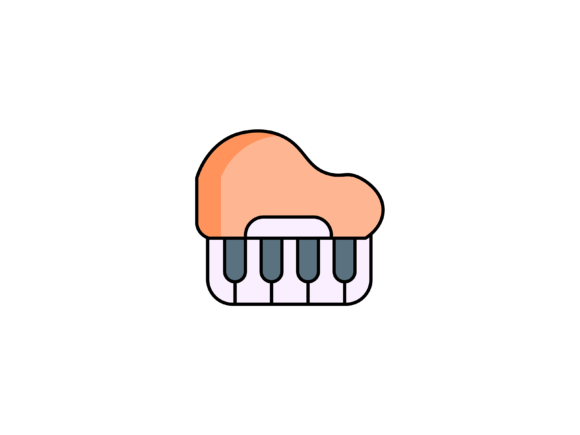
In the world of design, finding a visual element that strikes the right chord—both literally and figuratively—can elevate a project from simple to striking. Birthday Piano Illustrations is one such design asset, a collection that merges the elegance of musical instruments with the festive joy of celebration. This isn't just a set of images; it's a versatile toolkit for creators, entrepreneurs, and hobbyists looking to inject personality and warmth into their work. The illustrations typically feature a charming, often whimsical style, with pianos adorned with birthday elements like balloons, cakes, and ribbons. The aesthetic balances detail with a friendly, approachable feel, making it suitable for a wide range of audiences and applications.
Visual Character and Design Appeal
The core appeal of Birthday Piano Illustrations lies in its unique thematic blend. It captures a specific, joyful niche: the celebration of milestones through the universal language of music. Visually, these illustrations often employ a mix of clean lines and soft, playful details. You might find designs that lean towards a modern, flat style with bold colors, perfect for contemporary branding, or more intricate, hand-drawn renderings that evoke a sense of nostalgia and craftsmanship, ideal for children's books or artisanal products. This stylistic range is a significant strength, allowing the asset to adapt to different project needs. As a premium design asset, it provides more than a single image; it offers a cohesive set of visuals that can maintain consistency across a project, which is crucial for building a recognizable brand identity.
Where These Illustrations Shine: From Print to Digital
The practical applications for Birthday Piano Illustrations are extensive, making it a valuable resource for creative professionals. For editorial design and publishing, these illustrations are a natural fit for children's activity books, birthday-themed magazines, or party planning guides. They can serve as engaging chapter headers, spot illustrations, or full-page features. In the realm of packaging design, imagine a music school's gift wrap, a bakery's specialty cake box, or the label for a celebratory beverage—the piano illustration instantly communicates a theme of celebration and artistry.
Beyond print, the digital space offers even more opportunities. Social media graphics for musicians, party planners, or lifestyle brands can use these illustrations to create eye-catching posts and stories. They work beautifully for digital invitations, e-cards, and website banners. For entrepreneurs and small business owners, the illustrations are perfect for creating branded merchandise. Think of a custom T-shirt for a piano teacher, a tote bag for a music festival, a phone case for a musician, or a decorative pillow for a music room. The included high-resolution PNG and JPG files at 300dpi ensure crisp results for any printed product, while the vector Ai and EPS formats allow for infinite scaling without quality loss—essential for large-format prints or detailed adjustments.
Making It Work: Practical Guidance for Your Projects
Integrating any new design asset effectively requires a bit of strategy. When working with Birthday Piano Illustrations, start by considering your project's overall tone. Is it playful and childlike, or elegant and sophisticated? This will guide your choice of which specific illustration from the set to use and how to style it. For a children's book, you might pair a whimsical piano illustration with a handwritten font or a friendly sans serif font to maintain a legible, approachable visual hierarchy. For a more upscale music event poster, combining a detailed piano graphic with a refined serif font can create a sense of classic professionalism.
Always test your font pairing choices. The illustrations themselves are detailed, so text placed near them should be clear and not compete for attention. Use the illustrations as focal points, and let typography support the message rather than overshadow the visual. Remember, the goal is to use the asset to enhance readability and engagement, not to clutter the design. Because the files are provided in multiple formats, you have flexibility. Use the vector files in Adobe Illustrator to change colors, isolate elements, or combine parts of different illustrations to create something entirely new. This level of customization is what separates a generic use from a truly integrated, professional design.
Finally, while these illustrations are incredibly versatile, always consider the context of your audience. A T-shirt design for a teenage pianist will differ from a printed paper pattern for a baby's first birthday. The same asset can be styled to fit both, but the final execution—color palette, scale, and accompanying text—should be tailored. By thinking critically about fit, testing combinations, and leveraging the included file formats, you can ensure that Birthday Piano Illustrations becomes a reliable and inspiring part of your creative toolkit, helping you produce work that resonates and feels authentically crafted.